Scroll down for English
私は21歳の時に1年バックパックでオーストラリア中を旅してから、それまでの自分の持っていた、多くの価値観ががらっと変わった。
そして日本の社会に馴染めなくなってしまい、そこから逃げ出すように目を海外に向けて生きてきた。
3か国に住み、憧れだったCAをそれも海外ベースで5年もできるなんて、夢にも思わなかった。
そんな中、38歳の時に再度、日本に帰国して、仕事を探さなくてはならなくなった。
憂鬱だなと思っているのだが、外国人の友達は、口を揃えて「日本に住めてうらやましい。」という。
まあ、それは、日本人じゃないから、そうでしょう。なんて卑屈になっていた。
しかし、ふと、そうだ!私も外国人の感覚で日本で生きていったら、ちょっと楽しくなるかもって思い直した。

そして、今、そんな海外から観光にやってくる人達に東京を案内していて、毎回、彼らから見た、日本の気づき、感想を聞く。
そして、日本人にとって当たり前の事って、海外からみたらそうじゃないんだって、私の気づきにもなる。
よく言われることを集めてみたら、結構な数になった。
これ、シリーズ化できそうなので、まずは試しに第一弾を紹介したいと思う。
その1:電車に乗って気づいたこと編
東京を公共交通機関で巡るツアーは、結構ある。
終日のツアーになると、15,000から20,000歩ほど歩く。
アメリカ人の多くは、車社会なので、ほぼ歩かない生活をしている人が多い。
なので、もうバテバテになっている人が多い。
朝のブリーフィングの時に、「今日はすっごい歩くけど、皆大丈夫?」と聞くと、口々にYES!と言い、自分は、ジムで鍛えているとか、歩くの慣れているなんて自慢大会が始まる。

しかし、お別れの時には、もうバテバテで、「今日は早く寝れる!これで時差ぼけ解消!」とよく言っている。
何よりも、意外に多い、階段が大変なようだ。
エスカレーターを使うが、全てがそうではないので、踏み台昇降をずっとしている感じなのかもしれない。
都内だとJRと地下鉄の1日券を購入して、それで巡る。
まず、ラッシュアワーに当たってしまうと、OH NO!これに乗るの?という顔をする。
彼らは、人との距離をある程度保つ社会で生きているので、この混雑にびっくりする。
私は、長時間乗らないから、頑張って!と励まし、乗り込む。
そして、きちんと皆並んで、列を抜かさない、お行儀がいいと褒めている。
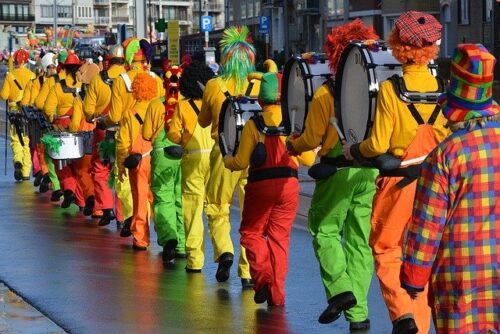
電車の中が静かな事にも驚きがあるようだ。
確かにニューヨークやパリの地下鉄は、アコーディオン演奏しながら、移動してチップを集めた人もいたし、皆、車内でも電話で話していたり、大声の人が多かった。

日本では、電車の中は、通話は禁止、電話がかかってきたら、後でかけ直すのが常識だと言うと、WOWと感動している。
そして、車内が清潔だとまた感動する。
先日、座席の下にキャンディーの包み紙が落ちていて、お客さんが、「え!そんなこともあるの?」って物凄く驚いていた。
それくらいごみがないと思われている。
また、アナウンスが流れたので、「今、3分遅れました。申し訳ございません。」とアナウンスが流れたよというとCrazy!!とつぶやく!
エスカレーターでは、ご存じの通り、左に立ち、右は空けて、急いでいる人はそこを通る。
それが、なかなか身につかず、ついつい両方を塞いでしまうことが人によってある。
そんな時、カップルだと、大抵、どちらかがいっつも、その決まりを忘れてしまい、相棒に注意されている。
指摘された方は、「その習慣がないから、慣れないよー」と笑っている。
ちなみに大阪に行くと、反対で、左を開けなくちゃいけないよ!なぜなら、大阪人は、東京人が嫌いだから、反対を攻めていく!と私が冗談を言うと、いつも笑いを取れる!
お行儀のいい日本人もそんな子供じみたところがあることにちょっと安心した感じだ。

そして1日券は、折らずに、クレジットカードと一緒に保管すると、磁気の関係で、使えなくなることもあるよアドバイス。
「1日券を入れる場所を決めておいてね。私がTicket!と言ったら、すぐに出せるようにしておいてね!」ともいう。
数回に1人は、いつも、切符がないない、とカバンを全部ひっくり返すことがあるからだ。
私がPASMOを入れているカードフォルダーを使っているのをみて、欲しがる人もいる。
さてある日、地下鉄の駅に”強風注意;Strong Wind Warning”という目印があり、お客さんが写真を撮って、笑っていた。
Strong Wind Warningという表現は、アメリカでは、ハリケーンがあるよ、避難してのレベルの言葉の強さらしい。
地下鉄で、それ使うってどんだけ、危険な地下鉄なのーーと笑っている。
で、実際、電車が来たら、それなりには強いけど、Warningレベルじゃないねーってしまいに、動画を撮って、友人に送っていた。
Japan is amazing!!
だって!!
うん、やっぱりこの国、面白いと思う!
そんなわけで、公共交通機関だけで、こんなにネタがあり!!
「日本って面白い!外国人から見た、ジャパン!」こちら、シリーズ化決定です!
また次回お楽しみ!
<思い出ブログ>
3月11日。東日本大震災から、15年になります。合掌

🌏 English Version
When I was 21, I spent a year backpacking around Australia, and that experience completely changed many of the values I had held up until then. After returning to Japan, I found it hard to fit back into Japanese society, and before I knew it, I was looking outward—toward the world.
I ended up living in three different countries, and I even became a flight attendant based overseas for five years, something I had never imagined would come true.
Then, at 38, I returned to Japan again and had to start looking for work. I felt a bit gloomy about it, but my foreign friends all said the same thing:
“You’re so lucky to live in Japan.”
I used to think, “Well, that’s because you’re not Japanese,” and felt a little defensive.
But one day it hit me—what if I lived in Japan with the mindset of a foreigner? Maybe life would feel a little more fun.
Now I guide visitors from overseas around Tokyo, and every time, I hear their impressions and discoveries about Japan. Things that are completely ordinary for Japanese people often aren’t ordinary at all from an outsider’s perspective. When I started collecting all the comments I heard, the list became surprisingly long.
So I decided to turn this into a series.
Here is Part 1: Things They Notice When Riding Trains in Tokyo.
🚃 1. Walking A LOT on Public Transportation Tours
Tours that use only public transportation in Tokyo often involve 15,000–20,000 steps a day.
Many Americans come from car‑centered lifestyles and barely walk in their daily routines, so by the end of the day they’re exhausted.
In the morning briefing, when I say, “We’re going to walk a lot today—are you all okay?” everyone confidently answers YES! They start bragging about going to the gym or being used to walking.
But by the end of the tour, they’re wiped out and say things like, “I’m going to sleep so well tonight! This will fix my jet lag!”
Stairs seem to be the biggest challenge. Even though we use escalators, not every station has them, so it feels like doing endless step‑ups.
🚃 2. Rush Hour Shock
We usually use a JR + subway one‑day pass.
If we hit rush hour, their faces instantly say, “OH NO… we’re getting on that?”
People from cultures that value personal space are stunned by the crowding.
I encourage them by saying, “Don’t worry, it’s a short ride!” and we squeeze in.
They always praise how everyone lines up neatly and never cuts in line.
🚃 3. Silence and Cleanliness on Trains
They’re amazed at how quiet Japanese trains are.
In New York or Paris, you might hear accordion players walking through the cars, people talking loudly on the phone, or just general noise.
When I explain that phone calls are not allowed on Japanese trains and that people call back later, they say “WOW!”
They’re also impressed by how clean everything is.
One day, a candy wrapper was on the floor under a seat, and my guest said, “Wait—this actually happens?”
That’s how spotless they expect Japan to be.
When an announcement said, “We are running three minutes late. We apologize,” they whispered, “Crazy!!”
🚃 4. Escalator Etiquette
As you know, in Tokyo you stand on the left and keep the right side open.
Some guests forget and block both sides, and their partner scolds them.
They laugh and say, “We don’t have this habit, so it’s hard to remember!”
I joke, “In Osaka it’s the opposite—you stand on the right. Osaka people do the opposite because they don’t like Tokyo people!”
That joke always gets a laugh and makes them feel relieved that even polite Japanese people have silly regional quirks.
🚃 5. One‑Day Tickets and the Mysterious Disappearing Pass
I warn them not to store their one‑day ticket next to a credit card because the magnetic strip can stop working.
I also tell them, “Keep your ticket in the same place. When I say ‘Ticket!’, take it out quickly!”
Still, every few tours, someone dumps out their entire bag saying, “I can’t find my ticket!”
Some guests want the same card holder I use for my PASMO.
🚃 6. The “Strong Wind Warning” Incident
One day at a subway station, there was a sign that said “強風注意 / Strong Wind Warning.”
My guest took a photo and burst out laughing.
In the U.S., “Strong Wind Warning” means hurricane‑level danger—evacuate immediately.
They joked, “How dangerous is this subway?!”
When the train arrived, the wind was strong but nowhere near “warning” level.
They filmed it and sent it to their friends saying, “Japan is amazing!!”
And honestly… I agree. This country is endlessly fascinating.
🌟 To Be Continued
All of this came just from using public transportation.
There’s so much material that this series is officially happening:
“Japan Is Fascinating! — Japan Through the Eyes of Foreign Visitors”
Stay tuned for the next part.